Does Scalp Massage Help Hair Growth? Find Out
If you’ve ever sat in a salon chair and had someone else wash your hair, you already know that a head massage is pure bliss. There is something incredibly relaxing about having the tension worked out of your scalp. But beyond the sheer, melting relaxation of it all, a question often comes up for anyone looking to thicken their mane or fight back against thinning locks: does scalp massage help hair growth?
It sounds almost too good to be true. Could something that feels so luxurious and requires zero expensive serums actually help you grow longer, thicker hair?
The short answer is yes but perhaps not in the overnight, magical way you might think. Healthy hair starts with a healthy scalp, and a relaxed body supports both. When you take care of the foundation, your hair naturally reaps the rewards.
Let’s dive deep into the actual science, the biological benefits, and how a professional approach like a Shiatsu head massage can be a game-changer for your scalp health and overall well-being.
Does Scalp Massage Help Hair Growth?
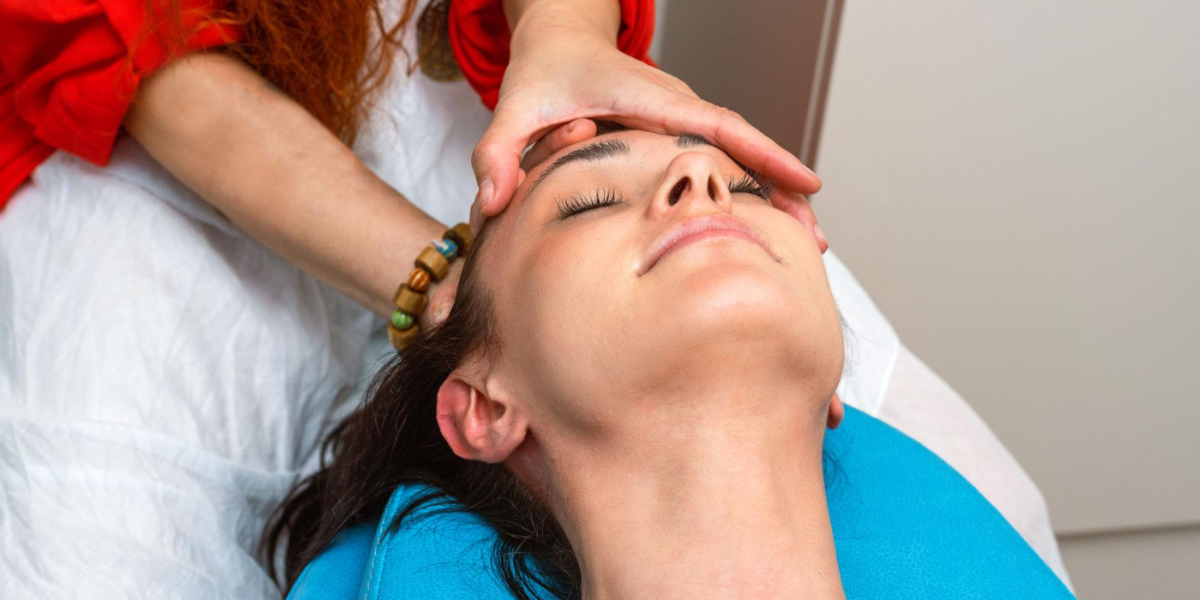
To understand how massaging your head affects your hair, we have to look beneath the surface literally. Your hair grows out of tiny pockets called follicles. These follicles are highly active structures that require a constant supply of nutrients, oxygen, and structural support to produce strong, healthy hair strands.
When you perform or receive a scalp massage, you are applying mechanical pressure and stretch to the skin and the underlying tissue. This mechanical stimulation does two major things for hair growth:
1. It Stretches the Dermal Papilla Cells
Research suggests that regular, intentional scalp massage can actually change the expression of genes in your hair follicles. A prominent study showed that standard scalp massages, when done consistently over several months, resulted in increased hair thickness.
The physical stretching of the cells within the hair follicle specifically the dermal papilla cells signals them to grow thicker, sturdier hair strands. Instead of just producing thin, fragile hairs, the follicle is encouraged to produce more robust hair.
2. It Extends the Anagen (Growth) Phase
Every single hair on your head goes through a cycle: growth (anagen), regression (catagen), and resting/shedding (telogen). When your body is stressed or your scalp health is compromised, hairs can prematurely jump into the shedding phase.
By stimulating the scalp regularly, you encourage the hair follicles to stay in the active growth phase for a longer period. This means less premature shedding and a higher overall volume of hair on your head over time.
While it isn’t an instant fix for genetic baldness, using a scalp massage for hair growth is a scientifically backed, holistic way to optimize your scalp’s natural ecosystem.
How Scalp Massage Improves Blood Circulation
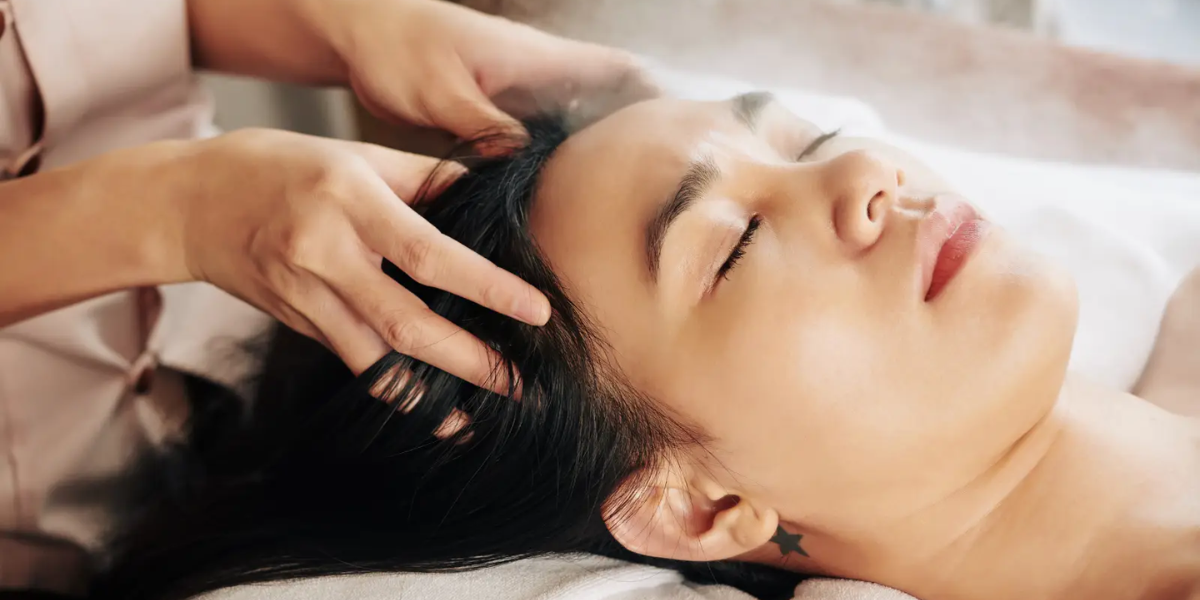
Think of your hair follicles like plants in a garden. If the soil doesn’t get enough water and nutrients, the plants wither. For your hair, blood flow is that water and nutrient supply.
Your scalp is one of the furthest points from your heart, and it is covered by a thin layer of muscle and tissue that can easily become tight and constricted. When you are stressed or have poor posture, the muscles in your neck, shoulders, and cranial area tighten up. This tightness restricts blood vessels, reducing the volume of blood that reaches your hair follicles.
Here is what happens when you use a scalp massage for blood circulation:
- Vasodilation: The friction and pressure from a massage cause the blood vessels in your skin to dilate (open up). You might notice your skin feeling warm or looking slightly pink this is a direct sign that fresh, oxygen-rich blood is rushing to the surface.
- Nutrient Delivery: Blood carries vital nutrients like proteins, vitamins (especially B-vitamins and iron), and minerals directly to the root of the hair. Without proper blood flow, even the best hair supplements won’t reach their destination effectively.
- Waste Removal: Improved circulation also helps flush out cellular waste products and metabolic toxins from the scalp area, leaving the follicles clean, clear, and ready to function at their best.
A dedicated head massage for hair growth works because it reopens the pathways, ensuring that every single hair follicle gets the nourishment it needs to thrive.
Scalp Massage Benefits Beyond Hair Growth
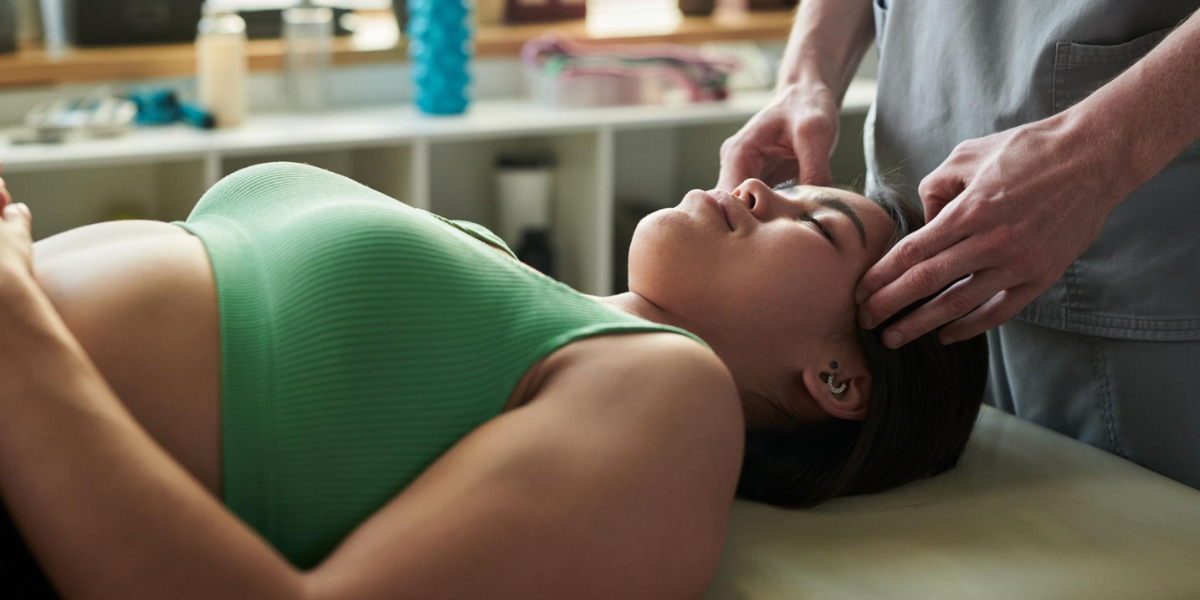
While longer, thicker hair is a fantastic goal, the scalp massage benefits extend far beyond just vanity. The human head is packed with nerve endings, pressure points, and muscles that carry an immense amount of daily strain.
Here is what else a high-quality head massage can do for you:
Natural Headache and Migraine Relief
Many headaches are actually tension headaches caused by tightness in the neck, jaw, and scalp muscles. By targeted kneading and pressing on the cranial muscles, a massage can melt away this tension, reducing the frequency and intensity of headaches without relying solely on pain medication.
Improved Scalp Health and Product Absorption
If you deal with a dry, flaky, or overly oily scalp, massage can help balance things out. The gentle stimulation regulates the sebaceous (oil) glands, ensuring your scalp produces just the right amount of natural oils to protect itself. Furthermore, massaging loosens dead skin cells and buildup, allowing your hair care products to penetrate more deeply and work more effectively.
Better Sleep Quality
Because a head massage deeply stimulates the parasympathetic nervous system (your “rest and digest” mode), it helps lower your heart rate and settle an overactive mind. Getting a head massage in the afternoon or evening is one of the best ways to prepare your body for deep restorative sleep.
How Stress Affects Hair and Scalp Health
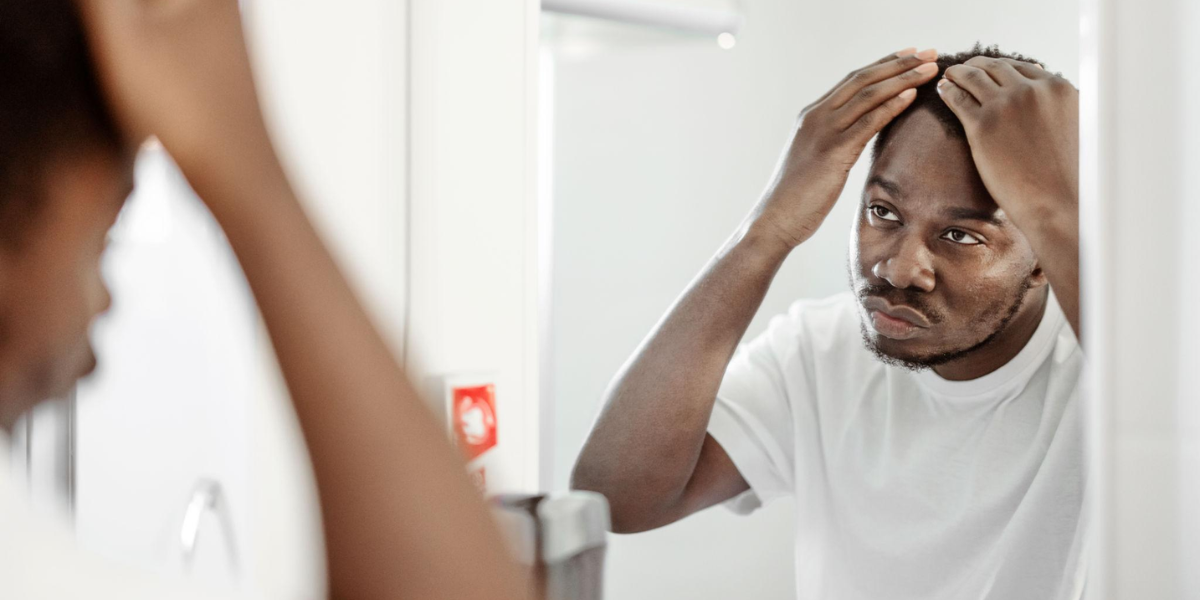
We live in a fast-paced world, and our bodies often pay the price. When you experience chronic stress, your body pumps out hormones like cortisol and adrenaline. While these hormones are great for escaping danger, they are terrible for your hair.
High stress levels cause a condition called Telogen Effluvium, where a large number of hair follicles are shocked into a resting state all at once. A few months after a stressful event, you might notice your hair shedding in clumps.
Furthermore, stress causes your blood vessels to constrict, starving your scalp of the nutrients we talked about earlier. It can also trigger inflammatory responses that lead to dandruff, itching, and scalp irritation.
By actively seeking out a massage for stress relief, you aren’t just pampering yourself you are actively lowering your cortisol levels, protecting your hair from stress-induced shedding, and prioritizing your scalp massage and hair health.
Shiatsu Head and Scalp Massage for Relaxation
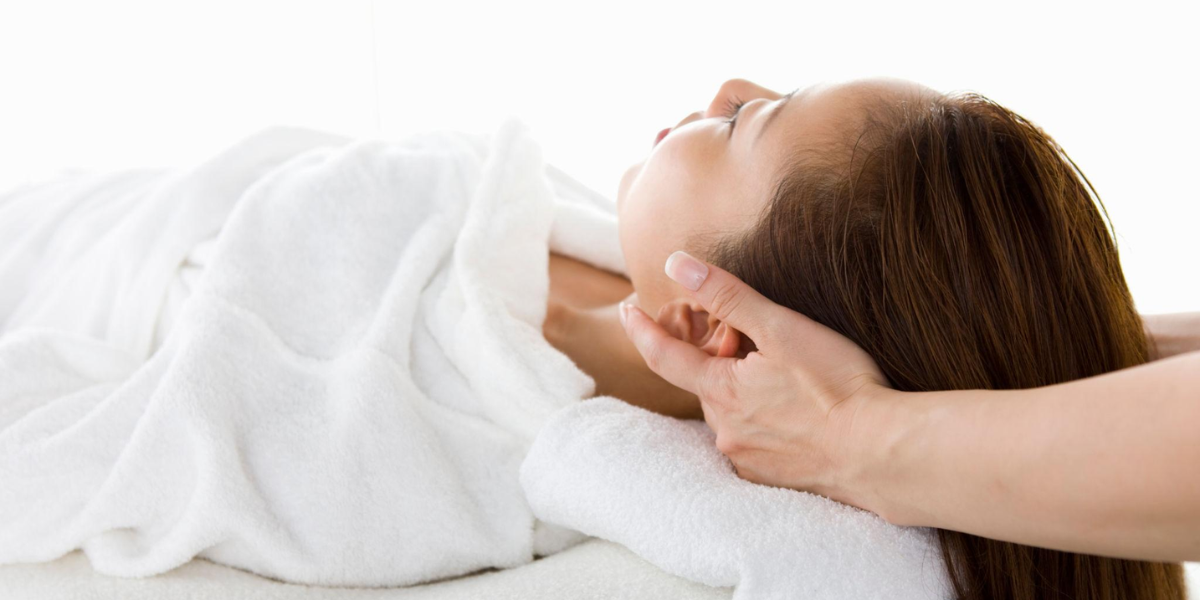
If you want to take your scalp care to the next level, a standard rubdown isn’t always enough. This is where a Shiatsu head massage comes in.
Shiatsu is a traditional Japanese bodywork technique based on the principles of traditional Asian medicine. The word Shiatsu literally translates to “finger pressure.” Unlike Western massages that use long, stroking glides, Shiatsu focuses on applying localized, deep pressure to specific meridian points (energy pathways) along the body.
Traditional Massage – Focuses on muscle fibers & surface tissue
Shiatsu Head Massage – Focuses on specific pressure points & energy meridians
When applied to the head, face, and neck, a Shiatsu massage works wonders because it:
- Targets specific acupressure points that relieve sinus pressure, mental fatigue, and eye strain.
- Releases deep-seated tension in the epicranial aponeurosis (the fibrous tissue layer that covers the upper part of the skull).
- Promotes a profound state of scalp massage for relaxation that balances your entire nervous system.
If you are looking for a head massage to release stress, a professional Shiatsu session offers a holistic experience that connects the health of your mind to the health of your scalp.
How Often Should You Get a Scalp Massage?
How frequently you should indulge in a scalp massage depends on your goals, your budget, and your lifestyle. Here is a quick guide to building a healthy routine:

Comments
Post a Comment