Deep Tissue Massage vs Sports Massage: Key Differences
If you’ve ever walked into a therapy clinic or a wellness center with an aching body, you know how overwhelming the service menu can be. You stand there staring at a dozen different options, but two names constantly jump out when you need serious physical relief: deep tissue massage and sports massage.
At first glance, they might seem like the exact same thing. Both promise to get deep into your muscles, both sound like they are meant for intense physical relief, and both involve a fair amount of pressure. If you are dealing with a nagging knot in your shoulder or recovering from a grueling workout, you might think it doesn’t matter which one you pick.
However, assuming these two therapies are identical is one of the most common mistakes people make. While they share some overlapping techniques, they have entirely different goals, methods, and clinical approaches. Choosing the wrong one might still feel good, but it won’t give your body the targeted support it actually needs.
So, what is the actual difference between deep tissue and sports massage? Which one will melt away your chronic stress, and which one will help you crush your personal fitness records? Let’s break down everything you need to know in plain, easy language so you can make the absolute best choice for your body.
What Is Deep Tissue Massage?
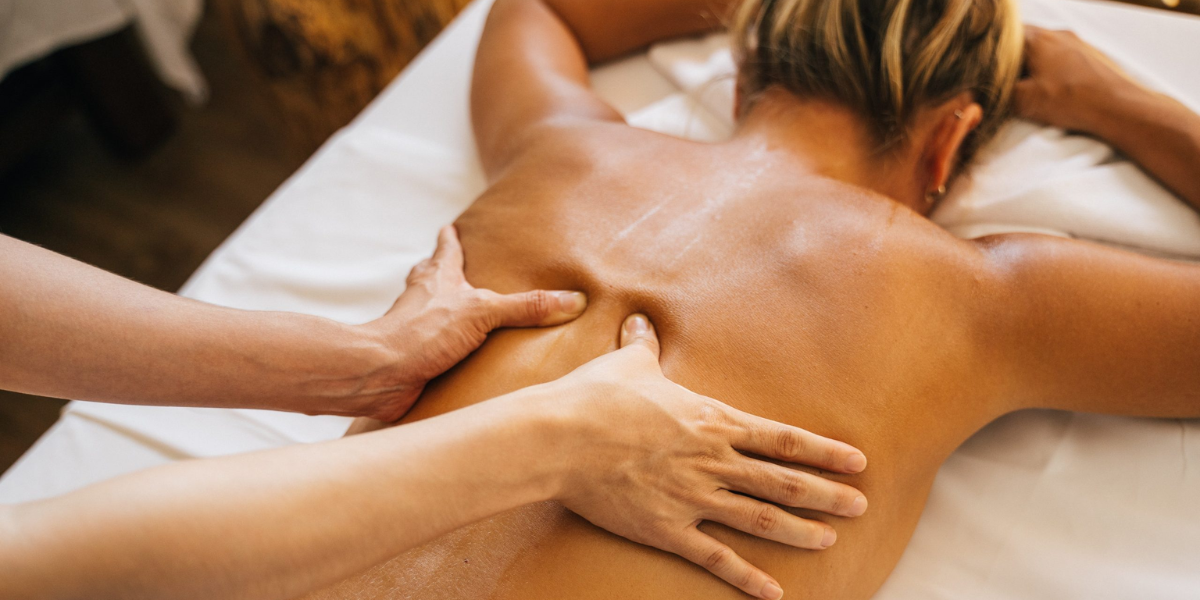
To understand deep tissue massage, it helps to picture the structure of your muscles. Your muscles aren’t just single slabs of tissue; they are made of layers upon layers of fibers, all wrapped in a dense protective webbing called fascia. When you experience chronic stress, poor posture, or repetitive strain, these layers can become stiff, glued together, and riddled with painful, tight clusters known as muscle knots (or adhesions).
A deep tissue massage is specifically designed to break through those surface layers and address the deep-seated tension underneath.
How It Works
During a deep tissue session, a licensed massage therapist uses slow, deliberate, and highly focused strokes. Instead of gliding rapidly across your skin like they would during a relaxing Swedish massage, the therapist applies firm, sustained pressure using their fingers, thumbs, knuckles, forearms, and elbows. This pressure is applied across the grain of the muscle tissue, not just along it. The goal is to physically break down rigid tissue, release deep knots, and restore normal alignment to muscles that have been locked in a state of tension for weeks, months, or even years.
The Core Deep Tissue Massage Benefits
- Relief for Long-Term Tension: If your shoulders feel like concrete blocks from sitting at a desk all day, deep tissue targets the exact structural layers causing that stiffness.
- Chronic Pain Management: It is highly effective as a deep tissue massage for chronic pain, helping individuals manage ongoing issues like lower back pain, fibromyalgia, and stiff necks.
- Breaking Down Scar Tissue: If you have old injuries that healed poorly, deep tissue can help break up internal scar tissue, improving overall flexibility.
- Lowering Blood Pressure: The intense, focused release helps ease the nervous system, reducing physical stress markers in the body.
What Is Sports Massage?
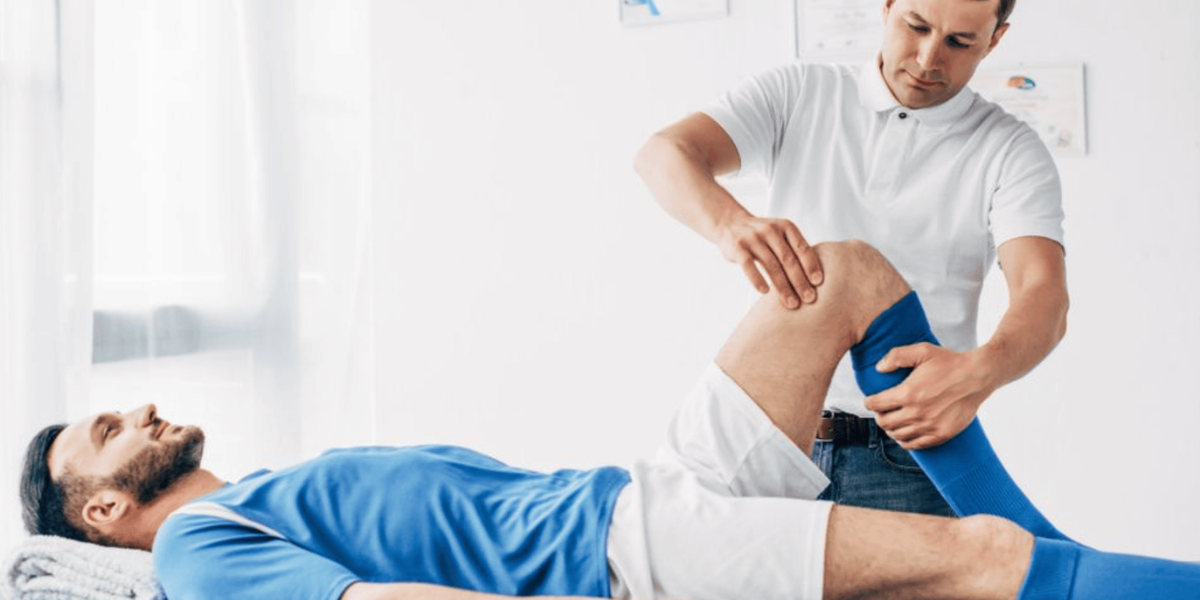
While deep tissue massage focuses on structural alignment and general tension, a sports massage is a highly functional, targeted therapy tailored specifically to the human body in motion. You don’t have to be an Olympic athlete to get one, but the therapy is built entirely around the biomechanics of physical activity, exercise, and athletic performance.
Instead of looking at your body as a collection of stressed muscles, a sports massage therapist looks at your body as an active machine. They ask: What movements do you do? Where are you restricted? What is your training schedule like?
How It Works
A sports massage is highly dynamic and rarely follows a fixed pattern. The techniques used depend entirely on when you are getting the massage relative to your physical activity. It can be fast-paced and stimulating before a workout to wake up the muscles, or slow and compressive afterward to flush out metabolic waste.
Therapists utilize a wide toolkit that goes far beyond standard rubbing. A typical session might include active stretching, trigger point therapy, joint mobilization, compression, and friction. Furthermore, a sports massage rarely covers the whole body. If you are a runner, the therapist might spend the entire 60 minutes working on your hips, IT bands, calves, and hamstrings, completely bypassing your upper body to maximize regional recovery.
The Core Sports Massage Benefits
- Enhanced Athletic Performance: By improving joint range of motion and muscle flexibility, it helps you move more efficiently during your workouts.
- Accelerated Muscle Recovery: It acts as an excellent massage for muscle recovery, stimulating local blood flow to deliver fresh oxygen and nutrients to tired tissues.
- Injury Prevention: By identifying and treating tight spots before they turn into full-blown strains, it serves as a primary tool for sports massage for injury prevention.
- Reduced Delayed Onset Muscle Soreness (DOMS): Getting a sports massage after a heavy lifting session or a long run can drastically reduce the severity of post-workout aches.
Deep Tissue Massage vs Sports Massage: Main Differences
When comparing deep tissue massage vs sports massage, the differences boil down to three main categories: the goal of the treatment, the techniques used, and the area of the body being treated.
| Feature | Deep Tissue Massage | Sports Massage |
| Primary Goal | Release chronic, full-body tension and restore muscle alignment. | Optimize physical performance, prevent injury, and aid workout recovery. |
| Pacing & Rhythm | Very slow, steady, deliberate, and deeply relaxing in a therapeutic way. | Dynamic, varied, can be fast-paced, and often incorporates active stretching. |
| Target Area | Usually a full-body treatment with extra focus on general trouble zones. | Highly localized; focuses strictly on the muscle groups used in your specific activity. |
| Ideal Timing | Anytime you feel stiff, chronically stressed, or locked up. | Scheduled strategically around workouts, training cycles, or events. |
| Client Participation | Mostly passive; you lie still and breathe through the pressure. | Often interactive; you may be asked to resist, contract, or stretch muscles. |
1. The Intent Behind the Pressure
In a deep tissue massage, the intent is structural. The therapist wants to sink deep into your anatomy to iron out the tight fibers that have built up from daily life, stress, or posture problems.
In a sports massage, the intent is functional. The pressure is used to prepare a muscle for hard work or to help it bounce back from exertion. The therapist isn’t just trying to make the muscle loose; they are trying to make it functional, flexible, and responsive.
2. Full-Body vs. Highly Targeted Focus
When you book a deep tissue massage, you can generally expect a comprehensive session. The therapist will work through your back, shoulders, neck, and legs, ensuring that your entire body leaves the table feeling more open and balanced.
A sports massage is laser-focused on your specific sport or activity. If you are a tennis player, your therapist will zero in on your rotator cuff, forearm, and thoracic spine. They won’t waste valuable time on your calves unless your running form is impacting your shoulder mechanics. It is a problem-solving session rather than a general wellness treatment.
Which Massage Is Better for Muscle Pain and Tension?
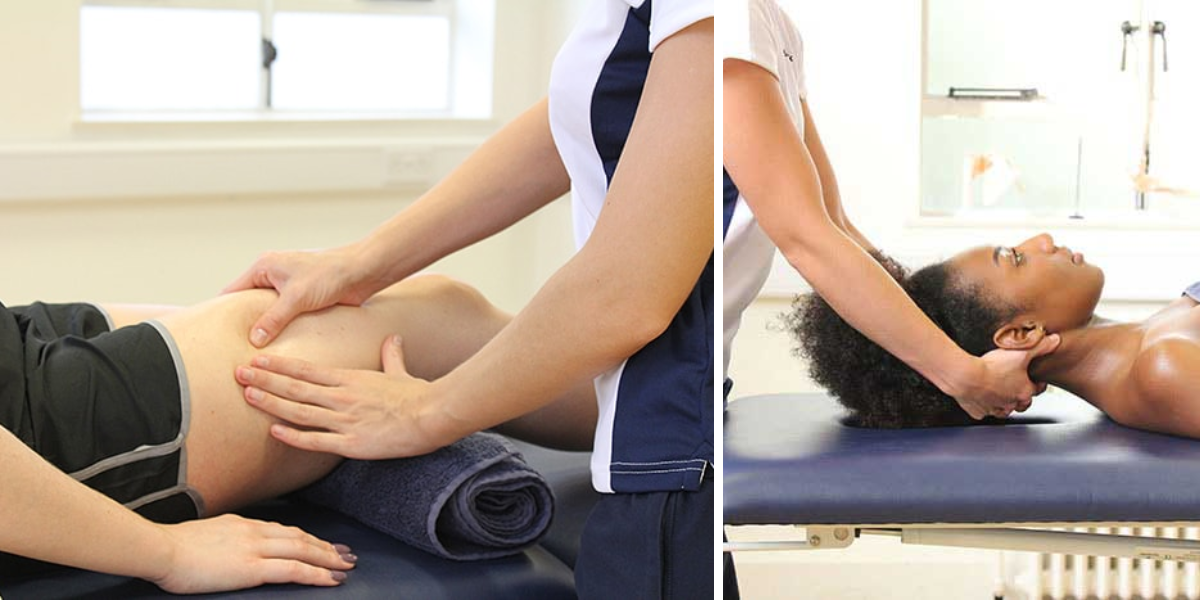
If you are dealing with everyday aches, a stiff back from an office chair, or a persistent dull ache in your neck, you are likely looking for the best massage for muscle knots and general tension.
For general, long-held, chronic muscle tension, deep tissue massage takes the crown.
When your body holds onto stress, it creates a pattern of chronic muscle guarding. Your nervous system keeps your muscles slightly contracted at all times, leading to a lack of blood flow, localized oxygen deprivation, and the accumulation of painful muscle knots. Because deep tissue massage uses slow, sustained pressure, it safely signals to your nervous system that it is okay to let go.
The cross-fiber friction used in deep tissue physically unglues these stuck layers. If you are seeking a massage for muscle tension that has been building up for months due to emotional stress, poor ergonomic habits, or systemic fatigue, deep tissue provides the deep, continuous release needed to reset your baseline posture and relieve pain.
Which Massage Is Better for Athletes and Recovery?
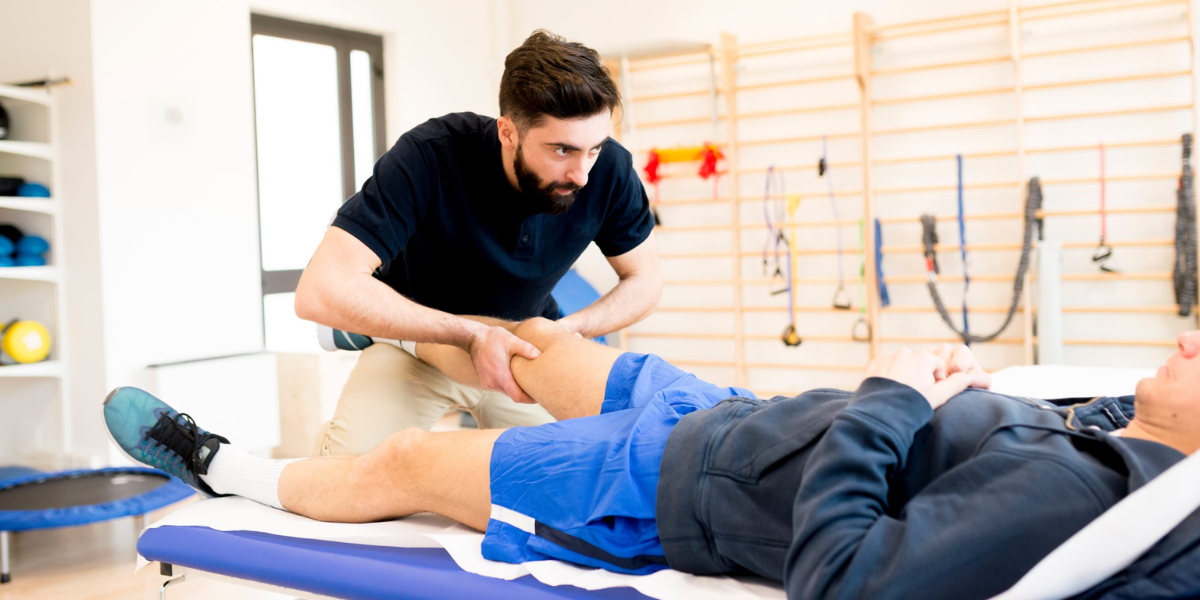
If your main goal is related to exercise, training, or physical conditioning, the conversation shifts completely. Whether you are an elite athlete, a weekend warrior, or someone training for their first 5K, a sports massage is unequivocally the better choice.
Fitness enthusiasts need a specialized massage for athletes because their muscle issues are driven by acute exertion rather than sedentary stagnation. When you exercise hard, your muscles develop microscopic tears, and metabolic byproducts accumulate in your tissues.
A sports massage acts as a targeted post workout massage. By using specific flushing strokes, compressing the muscles, and incorporating assisted stretching, a sports massage specialist speeds up the removal of waste products and floods the tissue with oxygen-rich blood. This process shortens your downtime, allowing you to return to training much faster.
Furthermore, if you are an active individual, a sports massage helps keep your joints mobile. It identifies asymmetrical tightness like one hip being tighter than the other which could ruin your running form and cause a future injury. For anyone living an active lifestyle, it stands out as the ultimate massage for active people and a premium massage for runners and athletes.
When to Choose Deep Tissue Massage
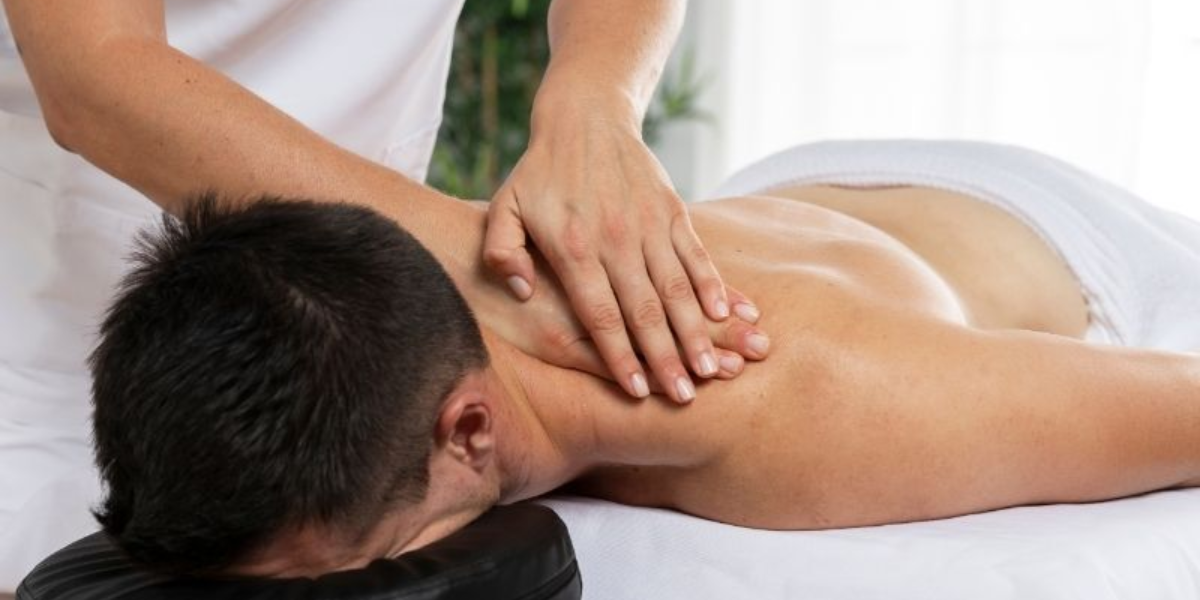
To make your decision incredibly simple, let’s look at the specific scenarios where booking a deep tissue session is your absolute best path forward.
1. You Deal with Chronic, Daily Pain
If you wake up every single morning with a stiff lower back, or if you experience frequent tension headaches radiating from your neck, you need deep tissue massage for chronic pain. These issues are usually rooted in deep postural habits that require deep, localized, and patient structural work to unravel.
2. You Spend Hours at a Desk or Computer
Sitting for prolonged periods forces your body into an unnatural shape: shoulders rolled forward, neck extended toward a screen, and hip flexors shortened. Over time, your fascia solidifies in this distorted position. Deep tissue stretches and releases this bound-up fascia, helping you sit and stand straighter with less effort.
3. You Want a Stress-Relieving, High-Pressure Experience
Some people simply do not find light-pressure massages satisfying. If you want to feel the therapeutic satisfaction of a therapist systematically working through your physical knots, deep tissue provides that intense, immersive experience while simultaneously calming a stressed mind.
Local Insight for Hawaii Residents and Visitors
If you are living in or visiting Honolulu, the tropical environment invites relaxation, but travel and daily life can still cause immense physical tension. Booking a deep tissue massage session is an excellent way to unpack the physical stress of a long-haul flight, relieve the shoulder tension from carrying heavy luggage, and restore your body to a state of total ease via specialized massage therapy Honolulu providers.
When to Choose Sports Massage
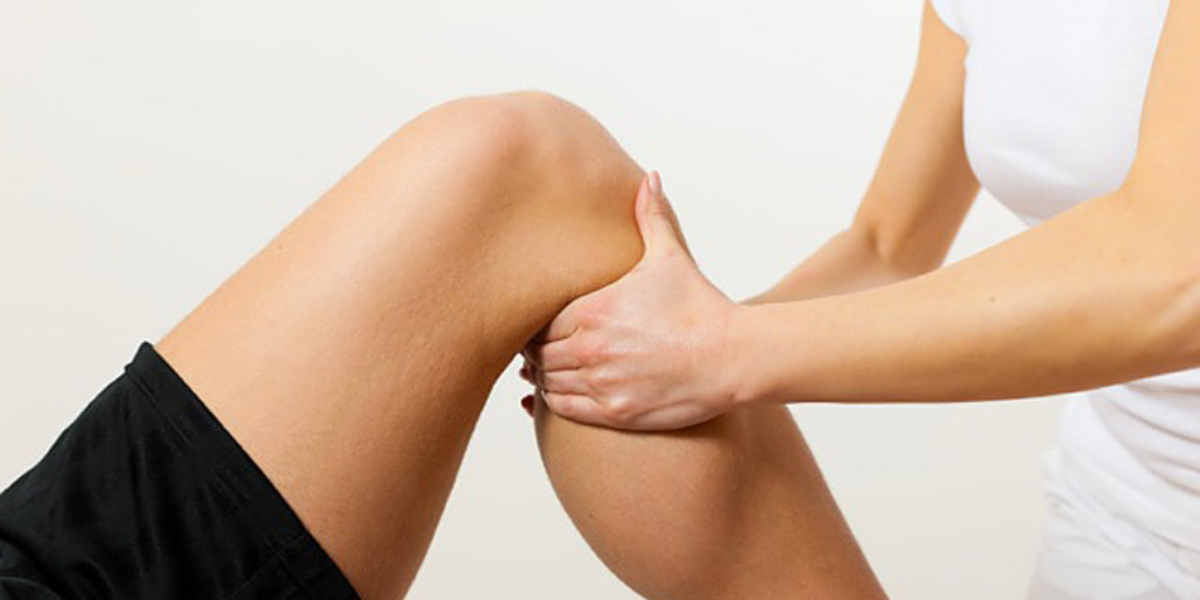
Now let’s flip the coin. When should you bypass the standard therapeutic menu and specifically request a sports massage?
1. You Are Actively Training for an Event
If you are preparing for a marathon, a jiu-jitsu tournament, or a powerlifting meet, your body is under constant physical stress. A sports massage can be integrated directly into your training blocks to keep your muscles supple, mobile, and performing at their peak.
2. You Are Recovering from a Specific Sports Injury
If you are dealing with a sprained ankle, golfer’s elbow, or a minor hamstring pull, a sports therapist understands the exact phases of tissue healing. They can use specialized techniques to reduce swelling, manage scar tissue formation, and safely restore your joint’s range of motion.
3. You Need Flexibility and Mobility Work
If your muscles aren’t necessarily hurting, but you notice you can’t squat as deep as you used to, or your shoulder feels restricted during your overhead press, sports massage uses dynamic stretching and joint mobilization to open up those tight pathways.
Local Insight for Active Lifestyles in Hawaii
Hawaii is a paradise for outdoor fitness. From surfing the south shore swells to running the Diamond Head loop or hiking steep ridge trails, our bodies take a beating from active outdoor lifestyles. Utilizing sports massage Waikīkī or seeking out a dedicated recovery massage provider ensures that your body stays resilient against the unique physical demands of island sports and outdoor adventures.
Customizing Your Therapy: Finding What Works
At the end of the day, you do not always have to put yourself squarely into one box. The human body is complex, fluid, and constantly changing. You might be a dedicated marathon runner who also happens to work 50 hours a week at a laptop. In cases like this, your body might present a mix of chronic postural tension and acute athletic fatigue.
The best massage therapists don’t just blindly follow a textbook routine; they customize their approach. It is highly common for a therapist to blend elements of both worlds into a single session. They might use deep tissue techniques to open up your tight, desk-bound chest muscles, and then immediately switch to sports massage techniques like active stretching and compression on your hips and legs to support your running routine.
Communicating openly with your practitioner is the secret to getting incredible results. Before your session begins, clearly state your goals, your activity level, your pain points, and your expectations regarding pressure.
Frequently Asked Questions (FAQs)
1. What is the main difference between deep tissue massage and sports massage?
The primary difference is the ultimate goal of the session. A deep tissue massage focuses on structural alignment, using slow, full-body strokes to break down chronic tension and muscle knots caused by daily stress or posture. A sports massage focuses on functional movement, performance, and recovery, using a variety of dynamic techniques tailored to an individual’s specific sport or workout routine.
2. Is sports massage better than deep tissue massage?
Neither is inherently better than the other; it depends entirely on your current physical needs. If you are an athlete or exercise frequently, a sports massage is better for your recovery and performance. If you suffer from daily chronic pain, desk fatigue, or generalized, long-held body stiffness, a deep tissue massage is the superior option.
3. Which massage is better for sore muscles?
If your soreness is caused by a tough workout or intense physical activity, a sports massage is ideal because it uses specific flushing and stretching techniques to speed up massage for sore muscles. If your muscle soreness is caused by chronic stress, sleeping poorly, or sitting all day, a deep tissue massage is better suited to address that deep-seated discomfort.
4. Can non-athletes get a sports massage?
Absolutely! Anyone can benefit from a sports massage. If you enjoy hiking, gardening, dancing, or even if your job requires a lot of physical lifting and standing, a sports massage can help improve your mobility, reduce physical fatigue, and keep your body moving pain-free.
5. Is deep tissue massage painful?
While deep tissue massage involves firm, deliberate pressure, it should never cause unbearable or sharp pain. You may experience a sensation often described as “good hurt” where the pressure feels intense but brings immediate relief as the knot unlocks. Always communicate with your therapist if the pressure feels too intense so they can adjust accordingly.
6. Which massage is better for muscle knots?
Both can help, but for deep, stubborn, long-standing knots, a deep tissue massage is generally better. It utilizes focused, slow pressure directly across the muscle grain to break up rigid tissue adhesions. However, if the knots are a direct result of athletic overexertion, a sports massage using targeted trigger point therapy is incredibly effective.
7. Which massage is better after a workout?
A sports massage is the hands-down winner for a post workout massage. It is designed specifically to enhance circulation, reduce muscle soreness (DOMS), and gently stretch tight tissues without overworking muscles that have already been stressed by exercise. A deep tissue massage can sometimes be too intense for immediately overworked muscles.
8. Can deep tissue massage help with sciatica pain?
Yes, deep tissue massage can be highly beneficial for managing sciatica symptoms. It frequently targets deep muscles in the lower back and gluteal region such as the piriformis muscle which often tighten up and compress the sciatic nerve. Releasing these deep muscle groups can take pressure off the nerve and provide substantial pain relief.
9. How do I know whether I need deep tissue or sports massage?
Listen to what your body is trying to say. If you feel general stiffness, heavy stress, chronic aches, or the physical toll of a desk job, you need a deep tissue massage. If you have a specific physical goal, are dealing with workout-related tightness, want to improve your athletic range of motion, or need to bounce back from an active weekend, choose a sports massage.
Conclusion
When it comes to caring for your body, making an informed choice is everything. Deep tissue massage and sports massage are both exceptional therapeutic tools, but they serve completely different purposes. Deep tissue is your ultimate sanctuary for breaking down long-term chronic pain, releasing stubborn muscle knots, and counteracting the physical strains of modern, sedentary daily life. Sports massage, on the other hand, is your ultimate performance partner, engineered to keep your body moving smoothly, recover quickly from workouts, and stay entirely free from injury.
Stop living with unnecessary stiffness and letting muscle fatigue hold you back from doing what you love. Whether you need the deep, structural release of a deep tissue treatment or the dynamic, performance-enhancing focus of a sports session, your body deserves targeted, professional care.
Ready to recover, relax, and move better?
Book your Deep Tissue or Sports Massage at Shiatsu Massage Center today.


Comments
Post a Comment